
Latisse Side Effects: 7 Risks of Prostaglandin Lash Serums
Looking for the evidence-based reference? See our complete Latisse Side Effects: An Evidence-Based Reference Guide, a structured summary of FDA prescribing information, peer-reviewed clinical literature, and regulatory findings. This article is the narrative companion piece, with user testimonials and dermatologist commentary.
Latisse, marketed as a revolutionary solution for thin eyelashes, has garnered significant attention for its ability to promote eyelash growth.12 However, beneath its cosmetic promise lies a complex array of potentially serious side effects that many users discover only after experiencing them firsthand. This comprehensive analysis examines the documented adverse reactions associated with Latisse use, presents visual evidence of these effects on actual users, and highlights medical professionals' growing concerns about this prescription medication.
Already on Latisse?
Thinking about stopping? The transition off Latisse is straightforward when you know what to expect. Our complete guide covers what happens week by week, what side effects reverse, and how to switch to a prostaglandin-free serum without losing length.
Read: Quitting Latisse: How to Transition Off Without Losing Your Lashes →
Understanding Latisse: More Than Just a Cosmetic Product
Latisse contains bimatoprost, a synthetic prostaglandin analog originally developed for treating glaucoma.13 The medication works by extending the anagen (growth) phase of eyelash development, resulting in longer, thicker, and darker lashes.45 However, this same mechanism of action that creates desirable cosmetic effects also triggers a cascade of potentially harmful side effects throughout the periorbital region.16
The FDA approval of Latisse in 2008 marked the first prescription medication specifically indicated for eyelash hypotrichosis.7 Despite clinical trials involving 278 patients, the scope and severity of long-term side effects have become more apparent through post-marketing surveillance and real-world usage.16
Common Side Effects: The "Minor" Problems That Persist
Eye Irritation and Inflammation
The most frequently reported adverse reactions include eye pruritus (itching), conjunctival hyperemia (eye redness), and ocular irritation, occurring in approximately 3-4% of users according to FDA clinical data.168 However, these statistics may underrepresent the true incidence, as many users report more severe symptoms than clinical trials suggest.910
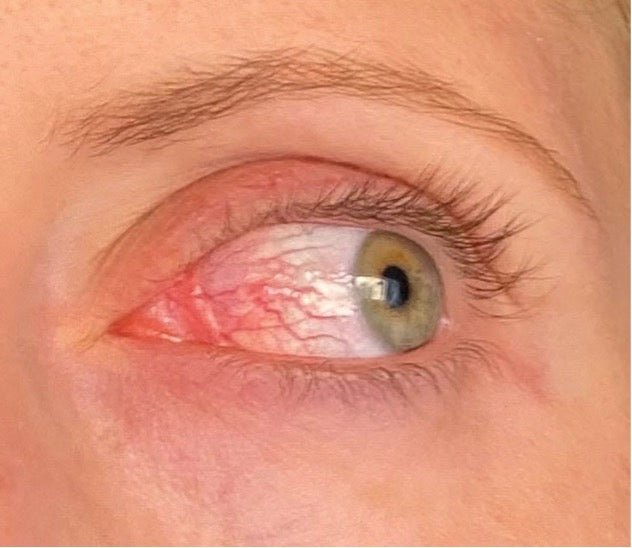
Dr. Jennifer Lyerly, writing for We Love Eyes, explains that Latisse has been associated with common symptoms of inflammation around the eyes, including swollen lids (chemosis), redness, itching, and watering.11 She further cautions that what may seem like minor eye irritation can develop into ocular surface dysfunction and chronic dry eye, both of which can take a permanent and lasting toll on vision quality and ocular comfort.11
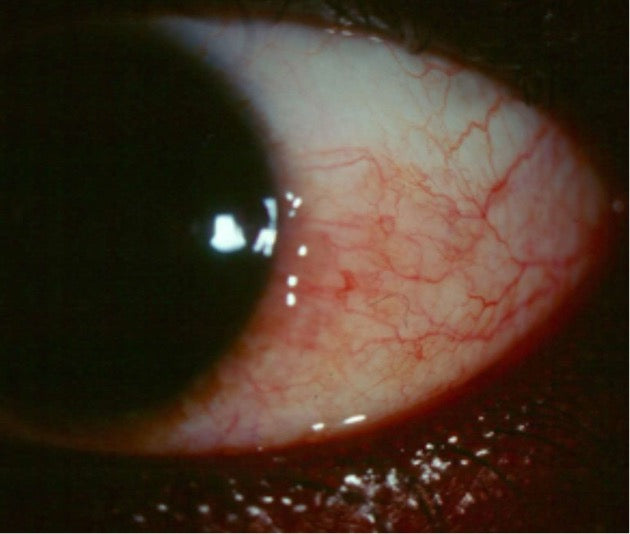
The prostaglandin nature of bimatoprost means it actively signals inflammation within body tissues, making these inflammatory responses predictable rather than unexpected.11 Users frequently report that the irritation persists throughout treatment and, in some cases, continues even after discontinuation.910
Skin Hyperpigmentation: The "Panda Eye" Effect
Periorbital Darkening
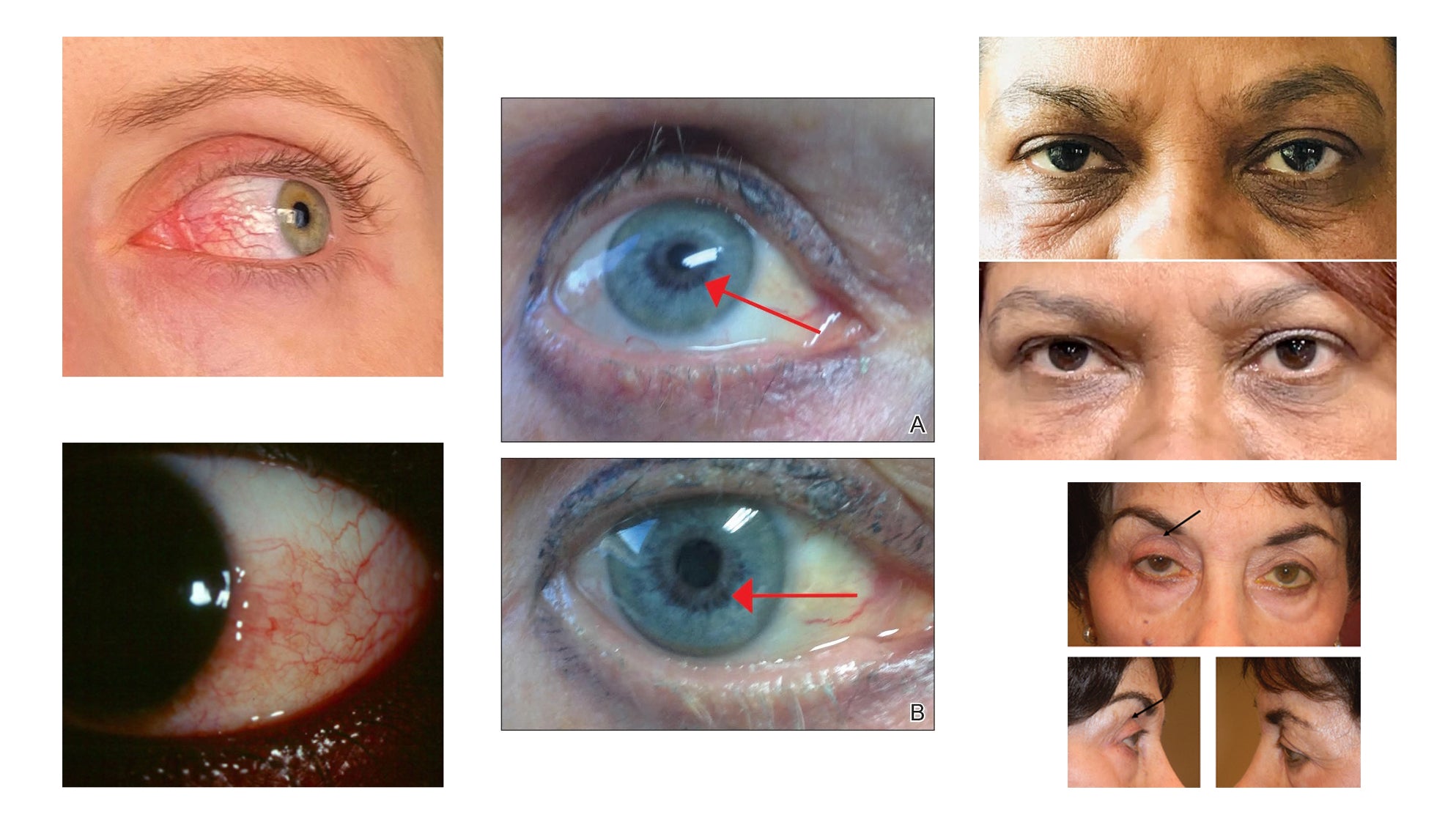
One of the most visually disturbing side effects is periorbital hyperpigmentation, colloquially known as "panda eyes" among users.1012 A comprehensive study published in JAMA Ophthalmology documented four cases of Latisse-induced hyperpigmentation, revealing the rapid onset and extensive distribution of this side effect.13
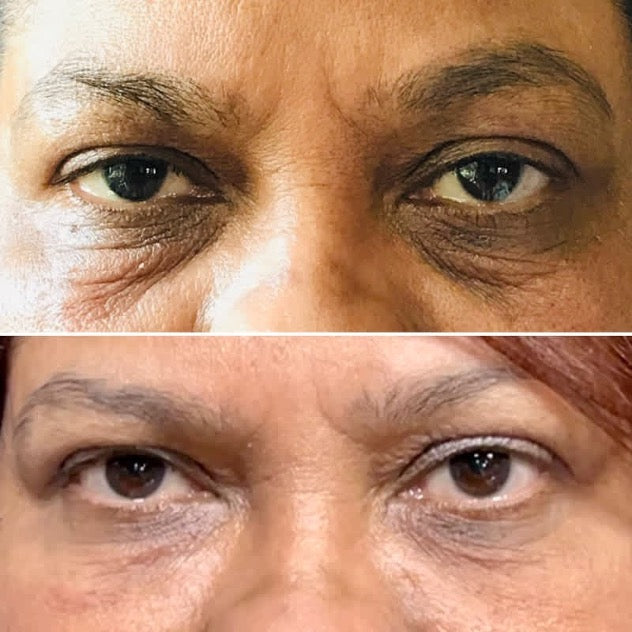
The study found that hyperpigmentation typically appears within 3-8 weeks of beginning treatment, manifesting as bilateral symmetric uniform light tan-colored to moderate brown hyperpigmentation extending 6-15mm from the upper eyelid margins.13 Significantly, three of the four documented cases also developed lower eyelid hyperpigmentation, despite the medication being applied only to the upper lash line.13
Dr. W. Richard Green, the study's lead author, observed that application of Latisse to the upper eyelids appears to cause hyperpigmentation beyond the region of application.13 This spreading effect occurs through direct skin contact and migration of the medication, creating dark circles that can extend well beyond the intended treatment area.13
Permanent Iris Color Changes: The Point of No Return
Irreversible Eye Color Alteration
Perhaps the most concerning side effect is permanent iris hyperpigmentation, where the colored portion of the eye permanently darkens.163 This occurs because bimatoprost stimulates melanin production in iris melanocytes, creating increased brown pigmentation that cannot be reversed.1415
The American Academy of Ophthalmology states unequivocally that darkening of the iris has been reported, and this side effect cannot be reversed.3 Patients with lighter eye colors, particularly those with blue, green, or hazel eyes, face the highest risk of noticeable color changes.1415
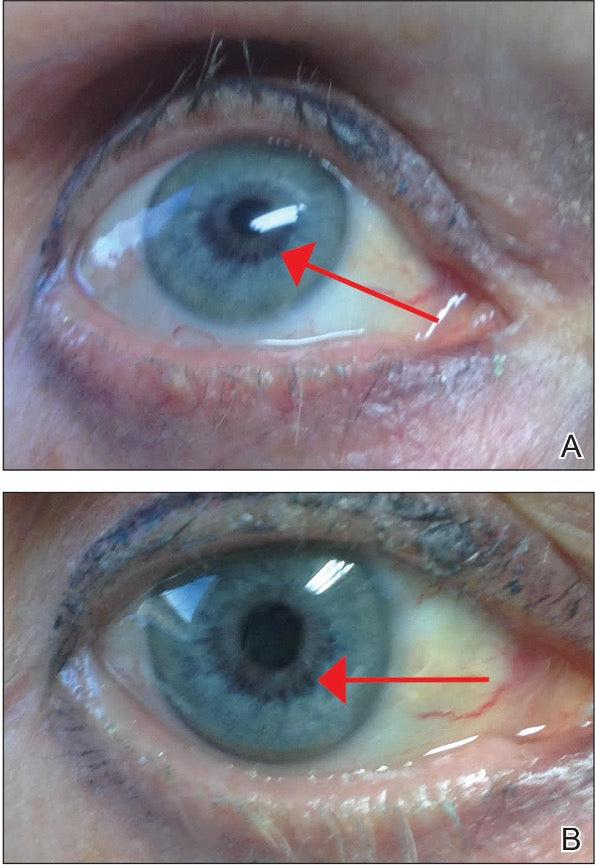
Real user testimonials on Reddit and other platforms document these permanent changes. One user shared:
"Never had noticeable orbital fat loss but it did permanently change the color of my eyes, darkened them. Pretty saddened by that. This was 10+ years ago."
Reddit user, r/beautyAnother user reported significant vision changes alongside the cosmetic effects, describing how their vision deteriorated from 20/20 to requiring heavy prescription glasses within three months of starting Latisse.10
Prostaglandin-Associated Periorbitopathy: The Sunken Eye Syndrome
Orbital Fat Atrophy and Structural Changes
One of the most devastating and poorly understood side effects is prostaglandin-associated periorbitopathy (PAP), characterized by orbital fat atrophy leading to a sunken, hollow appearance around the eyes.16 This condition encompasses upper lid ptosis, deepening of the upper lid sulcus, periorbital fat atrophy, mild enophthalmos, and increased prominence of lid vessels.16
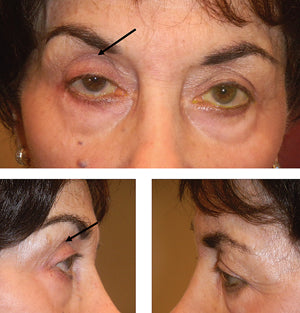
The mechanism involves the destruction of preaponeurotic and deep orbital fat, which explains the characteristic sunken appearance, upper eyelid sulcus deepening, and loss of lower eyelid fullness.16 Pharmacokinetic studies reveal that eyelid specimens contain more than 2,000 times higher concentrations of bimatoprost compared to aqueous humor, indicating significant periorbital absorption.16
Dr. Stanley Berke, who helped coin the term PAP, has noted that once clinicians know to look for it, the condition can be observed in nearly 100 percent of patients, and is especially noticeable in those using prostaglandin analogues on only one eye, where asymmetry between the treated and untreated sides becomes apparent.16 This suggests the condition may be far more common than previously recognized.
Users describe the devastating impact:
"I used it for 3-4 months and stopped because I got very bad panda eyes/fat loss. The panda eyes went away, but the hollowing seems to be here to stay."
Reddit user, r/beauty"They say it's reversible, I've yet to see proof of that. I had damage and plenty of people I've known as well and none of us had reversals. I resorted to a small fat transfer. 5k."
Reddit user, r/beautyAlready experienced orbital fat changes or panda eyes?
You do not have to keep using the product that caused it. Our complete transition guide walks through how to safely move off Latisse or any prostaglandin-class serum, what to expect during the recovery window, and why peptide-based serums operate on a different biological pathway entirely.
Read: Quitting Latisse: How to Transition Off Without Losing Your Lashes →
What Dermatologists and Plastic Surgeons Are Saying
Beyond peer-reviewed literature and FDA documentation, a growing chorus of board-certified dermatologists and plastic surgeons have been speaking publicly about the prostaglandin lash serum category. Their warnings, delivered on TikTok and YouTube, reach millions of consumers who would never read a JAMA Ophthalmology paper. The takeaway is consistent: this category warrants caution.
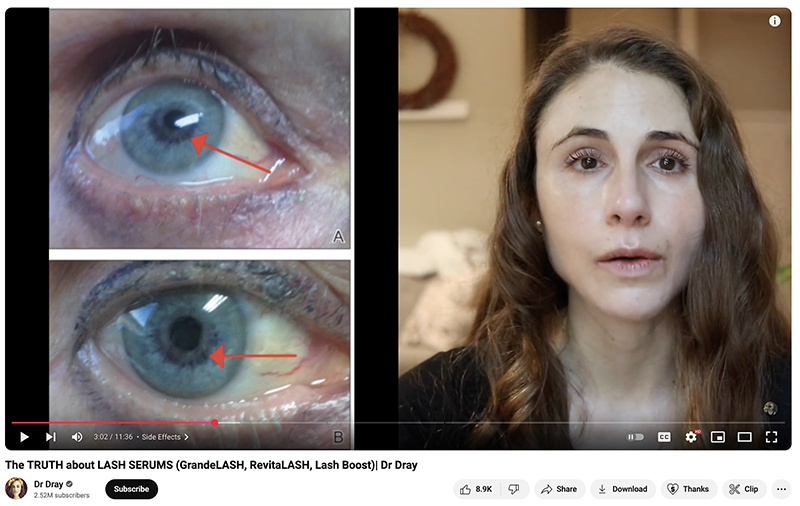
Dr. Andrea Suarez (Dr. Dray)
Board-certified dermatologist with 2.5M+ subscribers. In The TRUTH about LASH SERUMS, she walks through the side effect profile of prostaglandin-containing serums including GrandeLASH, RevitaLASH, and Lash Boost, citing iris pigmentation, periorbital changes, and the mechanism shared with Latisse.

Dr. Umbareen Mahmood
Board-certified plastic surgeon practicing in New York City. In a widely circulated video viewed nearly 179,000 times, she describes a lash serum she used that caused enough orbital fat atrophy to require two corrective surgeries, making her a first-person clinical case for the periorbitopathy risk.

Dr. Shereene Idriss
Board-certified dermatologist and founder of Idriss Dermatology in NYC. She explicitly contrasts prostaglandin-containing serums (GrandeLASH, RevitaLASH, Latisse) with peptide-based alternatives, telling her audience that this category has risks "you should be aware of" before choosing a serum.
The pattern across these voices, across dermatology and plastic surgery, across YouTube and TikTok, is the same warning the peer-reviewed literature documents: prostaglandin analogues drive lash growth and periorbital change through the same mechanism, and the periorbital change is harder to undo than most consumers expect.
Medical Professional Warnings and Concerns
Ophthalmologists Sound the Alarm
Medical professionals increasingly express concern about Latisse's risk-benefit profile. The scientific literature contains numerous warnings about the medication's potential for serious complications.
A study published in the National Center for Biotechnology Information warned that patients using Latisse should be similarly warned to glaucoma patients on bimatoprost, since the cosmetic and ophthalmic preparations are identical, and that patients should be carefully monitored upon initiating treatment.17 The study documented a case of upper eyelid ptosis secondary to levator muscle atrophy from chronic bimatoprost use.17
Dr. Jennifer Lyerly emphasizes the permanence of certain effects, noting that prostaglandin analogues have been used for decades in glaucoma treatment and that studies have confirmed they are strongly associated with lasting dry eye and ocular surface disease.11 Her view is that the cosmetic benefits may not justify the risks, and that the real price of longer lashes can include chronic irritation, sunken eye appearance, and lasting damage to vision quality.11
Regulatory Warnings and Contraindications
The FDA's official prescribing information contains multiple warnings about Latisse's side effects. The agency specifically cautions about increased iris pigmentation, noting it is likely to be permanent.618 The official warnings also highlight the risk of periorbital fat atrophy, describing it as potentially causing deepening of the eyelid sulcus and eyelid ptosis.19
Medical supply companies now acknowledge these risks. Nurx, a telehealth platform, warns that there is a rare chance of periorbital fat atrophy (the deepening of the eyelid sulcus resulting in a hollowing-out appearance of the eyelids) that may be permanent, and that patients should discontinue use if they start to see this effect.20
Legal Ramifications and Class Action Lawsuits
Growing Legal Challenges
The severity of Latisse's side effects, and those of its over-the-counter cousins, has spawned numerous legal challenges. While Latisse itself hasn't faced major class-action lawsuits, related prostaglandin-containing products have. The Rodan + Fields class-action lawsuit over Lash Boost Eye Serum highlights the dangers of prostaglandin analogs in cosmetic applications.21
The lawsuit identifies serious side effects including changes in iris color, drooping eyelids, excessive tearing or lid crusting, itchy eyes, and vision impairment.21 Significantly, Canada has completely banned the use of isopropyl cloprostenate (a prostaglandin analog similar to bimatoprost) in cosmetic products due to safety concerns.21
An attorney specializing in cosmetic injury cases notes that the manufacturers of many of these eyelash growth serums do not adequately disclose the real possibility of developing permanent eye injuries after using their products.22 The legal community increasingly recognizes that permanent side effects from these eye serums include chronic dry eye, eye infections, and recurrent styes.22
Post-Marketing Surveillance: The Real-World Picture
Beyond Clinical Trials
Post-marketing surveillance reveals a more comprehensive picture of Latisse's side effects than initial clinical trials suggested. The Canadian product monograph lists additional adverse reactions identified during post-approval use, including eye swelling, eyelid edema, eyelid irritation, eyelid pain, eyelid pruritus, foreign body sensation in the eyes, increased lacrimation, and iris hyperpigmentation.19
Perhaps most concerning are reports of periorbital and lid changes associated with periorbital fat atrophy and skin tightness, resulting in deepening of the eyelid sulcus and eyelid ptosis.19 These changes represent structural alterations that can significantly impact facial appearance and, in severe cases, visual function.
Risk Factors and Vulnerable Populations
Who Is Most at Risk?
Certain populations face elevated risks when using Latisse. Patients with lighter eye colors, blue, green, hazel, are most susceptible to permanent iris color changes.1415 Those with active eye inflammation, including uveitis, face increased risk of exacerbated inflammation.618
The FDA specifically warns against use in pediatric patients under 16 years due to potential safety concerns related to increased pigmentation following long-term chronic use.1
Additionally, patients with known risk factors for macular edema require careful monitoring, as bimatoprost can exacerbate this condition.623
The Myth of Reversibility
What Really Happens When You Stop
One of the most problematic aspects of Latisse marketing is the implication that most side effects are reversible upon discontinuation. While some effects may improve, user experiences and medical literature suggest this is not universal.
Iris color changes are universally acknowledged as permanent.16314 Orbital fat atrophy, despite being described as reversible in some literature, shows limited recovery in real-world cases.12 Users report that the panda eyes went away after discontinuation, but the hollowing seems to stay, even years later.12
Medical literature acknowledges this uncertainty, noting that the side effect may not be completely reversible with discontinuation of medication.17 The reversibility claims appear to be based more on theoretical considerations than documented recovery cases.
Conclusion: Weighing Cosmetic Desires Against Health Risks
The evidence overwhelmingly demonstrates that Latisse carries significant risks that extend far beyond the minor side effects acknowledged in marketing materials. From permanent iris color changes to devastating orbital fat atrophy, the medication's effects can be life-altering and irreversible.
Medical professionals increasingly question whether cosmetic eyelash enhancement justifies exposing patients to these risks.1117 Dr. Jennifer Lyerly's warning encapsulates the central concern: it is easy to brush off eye irritation as no big deal, but ocular surface dysfunction and chronic dry eye can take a permanent and lasting toll on vision quality and ocular comfort.11
The growing body of evidence, user testimonials, and medical professional concerns suggests that prospective Latisse users deserve full disclosure of these risks before making treatment decisions. As one user poignantly summarized the trade-off: "Say no to lash serums. Not worth the risk."12 Given the permanent nature of many side effects and the purely cosmetic benefit, this sentiment reflects a growing consensus among those who have experienced Latisse's darker side effects firsthand.
For individuals considering Latisse, the question is not whether side effects will occur, but rather whether the cosmetic benefits justify the substantial health risks. The evidence suggests that for many users, the answer is a resounding no.
Considering a prostaglandin-free option? Plume Elite Lash & Brow Enhancing Serum is a peptide-based serum formulated without bimatoprost, isopropyl cloprostenate, or any other prostaglandin analogue, and is not associated with the prostaglandin-class adverse-effect profile described above. For the structured clinical reference, see Latisse Side Effects: An Evidence-Based Reference Guide.
Continue reading on the Plume Science Hub
Sources
- FDA Full Prescribing Information for Latisse (bimatoprost ophthalmic solution 0.03%), revised 2012. accessdata.fda.gov
- FDA Full Prescribing Information for Latisse, revised 2021. accessdata.fda.gov
- American Academy of Ophthalmology: Latisse Safety. aao.org
- GoodRx: Latisse Side Effects. goodrx.com
- Drugs.com: Latisse Side Effects. drugs.com
- AbbVie Canada: Latisse Product Monograph. abbvie.ca
- FDA approval history for bimatoprost (Latisse), 2008.
- RealSelf: Will my eye color return to original color after stopping Latisse? realself.com
- RealSelf: Upper eyelids darkened due to Latisse. realself.com
- Drugs.com: Latisse overview. drugs.com
- Allergan / Latisse Professional: Safety Information. latisse.com
- NVISION Eye Centers: Latisse Education. nvisioncenters.com
- Ophthalmology Web: The Myths Surrounding Latisse, Will It Turn My Blue Eyes Brown? ophthalmologyweb.com
- AbbVie Canada: Latisse Patient Information. abbvie.ca
- SkinMDs: Latisse Eyelash Enhancement. skinmds.com
- My Law Advocate: Is Your Eyelash Growth Serum Causing You Eye Problems? mylawadvocate.com
- Med Supply Solutions: Latisse Long-Term Side Effects. medsupplysolutions.com
- Cosmopolitan: Latisse Lash Serum Review. cosmopolitan.com
- FiercePharma: Sandoz loses patent fight, Allergan and Duke University awarded $39M. fiercepharma.com
- Allergan / Latisse Professional: Efficacy. latisse.com
- Hot and Flashy: My Experience with Latisse (Pics). hotandflashy.com
- Reddit r/beauty: Latisse and Other Dangerous Products. reddit.com
- Simmons and Fletcher: Rodan + Fields Face Class Action Lawsuit Over Lash Boost Eye Serum. simmonsandfletcher.com
- Refinery29: Eyelash Growth Serums Prostaglandin Safe Alternatives. refinery29.com